



Details

  • Home
  • ABA Intensive intervention 1:1
img img img
  • Jun 18, 2024
  • By admin
  • Comments Off on ABA Intensive intervention 1:1

Understanding ABA Therapy: A Powerful Tool for Autism Intervention

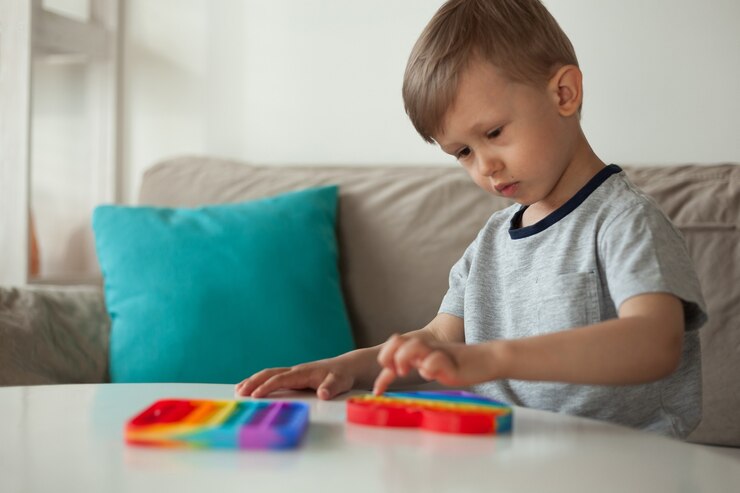
Applied Behavior Analysis (ABA) is a research-based therapy that focuses on improving specific behaviors and skills in children with autism spectrum disorder (ASD). ABA Intensive Intervention 1:1 provides a highly individualized approach where a trained therapist works directly with the child, offering undivided attention to meet their unique needs. The goal of this intensive intervention is to address core areas such as communication, social skills, behavior management, and self-help skills. By using positive reinforcement and evidence-based techniques, ABA helps children with autism make significant progress in everyday life. The one-on-one nature of the therapy ensures that children can focus on learning and improving without distractions, which can lead to faster and more sustainable results.
img

Personalized Therapy

Each child receives a therapy plan tailored to their unique needs, ensuring that interventions are focused on the areas that matter most to them.

img

Focused Attention

With a dedicated therapist, children receive the one-on-one attention they need to thrive, which helps them stay engaged and absorb information more effectively.

img

Measurable Results

Progress is regularly tracked through data collection and analysis, allowing for adjustments to be made to the intervention plan as needed.

How ABA Therapy Helps Children with Autism Achieve Success

ABA Intensive Intervention 1:1 is a proven method that can help children with autism develop a wide range of skills, from communication to social interaction to behavior management. By focusing on the child’s strengths and areas for improvement, therapists create a structured environment where learning becomes a rewarding experience. This therapy not only enhances the child’s ability to communicate effectively but also supports them in building positive social relationships, mastering daily living skills, and reducing challenging behaviors. As a result, children become more independent, confident, and better equipped to navigate the world around them. The involvement of family members in the process further strengthens the learning outcomes, ensuring that the child’s development continues both inside and outside the therapy sessions.