




Details

img img img
  • Jun 18, 2024
  • By admin
  • Comments Off on ABA Dyad 1:2

Understanding ABA Dyad 1:2 Therapy for Autism Intervention

ABA Dyad 1:2 is an effective variation of Applied Behavior Analysis (ABA) therapy, where one therapist works with two children simultaneously in a structured and supportive environment. This model is designed to maximize social learning opportunities by allowing children to interact with each other while still receiving individualized support. ABA Dyad 1:2 provides a unique opportunity for children with autism to develop essential skills in a social context, such as communication, cooperation, and peer interactions. By working in a small group, children are exposed to real-world scenarios where they can practice these skills in a controlled yet dynamic setting. The combination of focused intervention and peer engagement creates a balanced approach that can accelerate the child’s progress in a more natural, social environment.

img

Social Skills Development

Social Skills Development With two children in a session, ABA Dyad 1:2 allows for real-time peer interactions, fostering the development of social skills like turn-taking, sharing, and emotional regulation.
img

Collaborative Learning

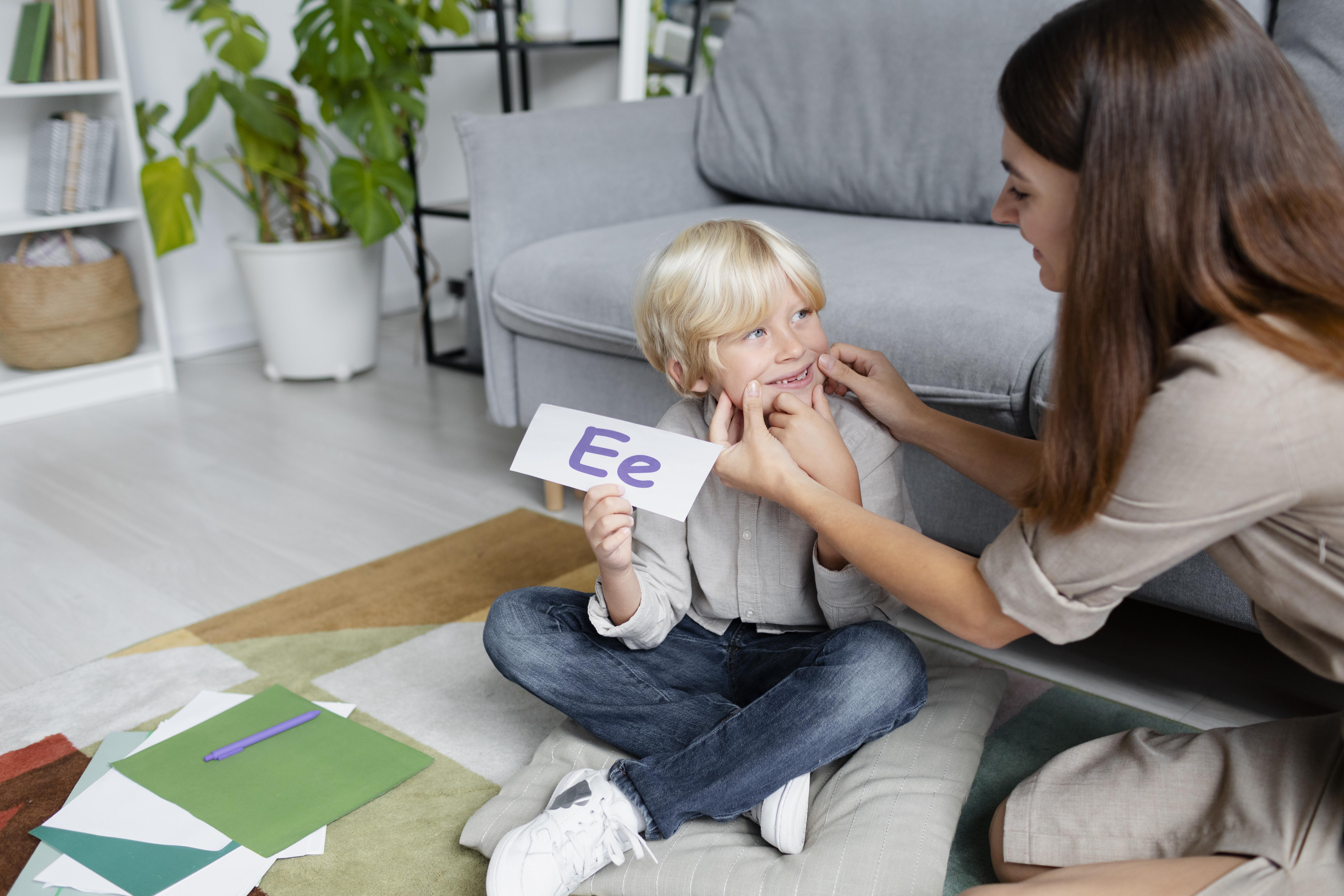
Collaborative Learning Children can learn from each other’s behaviors and progress, creating an opportunity for them to model positive behaviors and learn through observation.

img

Peer Support

Peer Support Working alongside a peer provides children with autism the chance to experience the dynamics of cooperative learning, which helps in enhancing communication and social interaction skills.

How ABA Dyad 1:2 Supports Autism Children in Real-Life Situations

ABA Dyad 1:2 therapy goes beyond the traditional one-on-one approach by encouraging children to interact with their peers while still benefiting from the structured support of an experienced therapist. This setup not only improves behavioral and academic skills but also prepares children for social situations they may encounter outside the therapy setting. The therapist focuses on facilitating appropriate peer interactions, guiding the children to work together, solve problems, and communicate effectively. The peer relationships formed during ABA Dyad sessions are vital for fostering confidence and improving the child’s ability to navigate social situations in school, home, and community environments. By integrating social learning with individualized therapy, children with autism develop essential life skills in a holistic manner.